
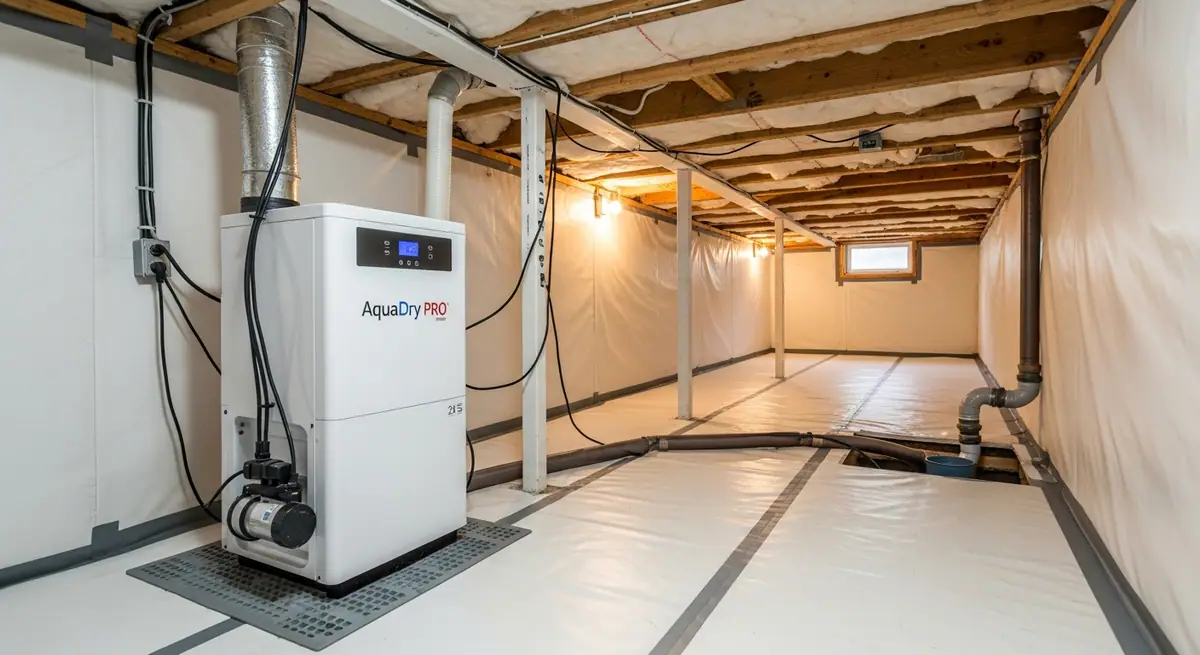
If you searched “crawl space encapsulation energy savings Knoxville” or “will encapsulation lower my electric bill,” you are trying to justify a $5,000–$15,000 project with math, smart. Here is the honest answer East Tennessee contractors should give: documented field research shows 10–18% reduction in heating and cooling energy when a vented crawl is properly closed, dehumidified, and (ideally) insulated, not the 30–40% some ads promise. Savings are largest when HVAC ducts and air handlers sit in the crawl. Energy alone rarely pays back fast; combined with mold, comfort, and structural protection, the math works.
What homeowners actually say online
- Skepticism on 30% bill-drop claimsr/HomeImprovement and HVAC threads push back on aggressive ads. Published humid-climate data lands at 10–18% HVAC reduction, not 30–40%. Honest contractors cite Building America and Advanced Energy studies, not billboard math.
- Ducts in the crawl = biggest winHomeowners with leaky flex duct in a vented crawl report the largest comfort jump after seal + dehu, less "cold floor" in winter, shorter AC cycles in July. Equipment in attic? Savings are real but smaller.
- "My bill went UP (dehu runs 24/7)"Common follow-up post: encapsulation without proper sizing or drainage means the dehumidifier never cycles off. Fix the enclosure first; energy math only works on a sealed, dry crawl. See our dehu troubleshooting guide.
- First summer after encapsulation: finally comfortable upstairsForum wins often describe comfort and smell, not dollar amounts, then mention $30–$50/month summer drop once they compare July bills year-over-year. Latent load reduction is the hidden savings in 70% humidity.
- Insulation add-on debater/energy threads: encapsulation alone helps; rim joist or crawl wall insulation adds another step-change in winter. Knoxville clay crawls lose heat through the floor assembly, insulation without vapor control fails.
- Worth $10K for energy alone? Forums say noPayback on energy-only math stretches 15–25 years at local project costs. Forums agree encapsulation pays when you bundle mold, structure, resale, and HVAC duct protection, not as a standalone efficiency play.
What the research says (Southeast / humid climate)
Advanced Energy field studies in North Carolina, same climate band as Knoxville , found 15%+ average HVAC savings in homes with properly closed crawl spaces vs traditional vented crawls. Building America reports up to ~20% heating and cooling reduction with sealed, insulated crawl approaches. ENERGY STAR whole-home air sealing models cite ~15% when sealing and insulation are combined.
Claims above 30% are not supported by published data. Apply a conservative 10–18% range for your own estimate.
Knoxville bill math (example)
| Scenario | Annual HVAC spend | 10–18% savings |
|---|---|---|
| Typical Knox home | $1,800/year | $180–$324/year |
| High summer bills ($250/mo peak) | $2,400/year | $240–$432/year |
| Dehu operating cost (offset) | , | −$180–$360/year typical |
Net electric drop the first year is often modest, many homeowners still call it worth it for comfort, musty smell removal, and protected ducts. Full pricing: 2026 encapsulation cost guide.
When you save the most in East Tennessee
- HVAC ducts in the crawl, leaky flex in a vented space wastes conditioned air year-round
- 70%+ summer humidity, latent load reduction shortens AC runtime (Knoxville standard)
- Cold first floors in winter, sealed crawl cuts floor heat loss; heating savings often beat cooling
- Added rim joist insulation, see crawl space insulation Knoxville
- Replacing moldy fiberglass, wet batts kill R-value and smell; removal + seal restores performance
When savings disappoint (forum patterns)
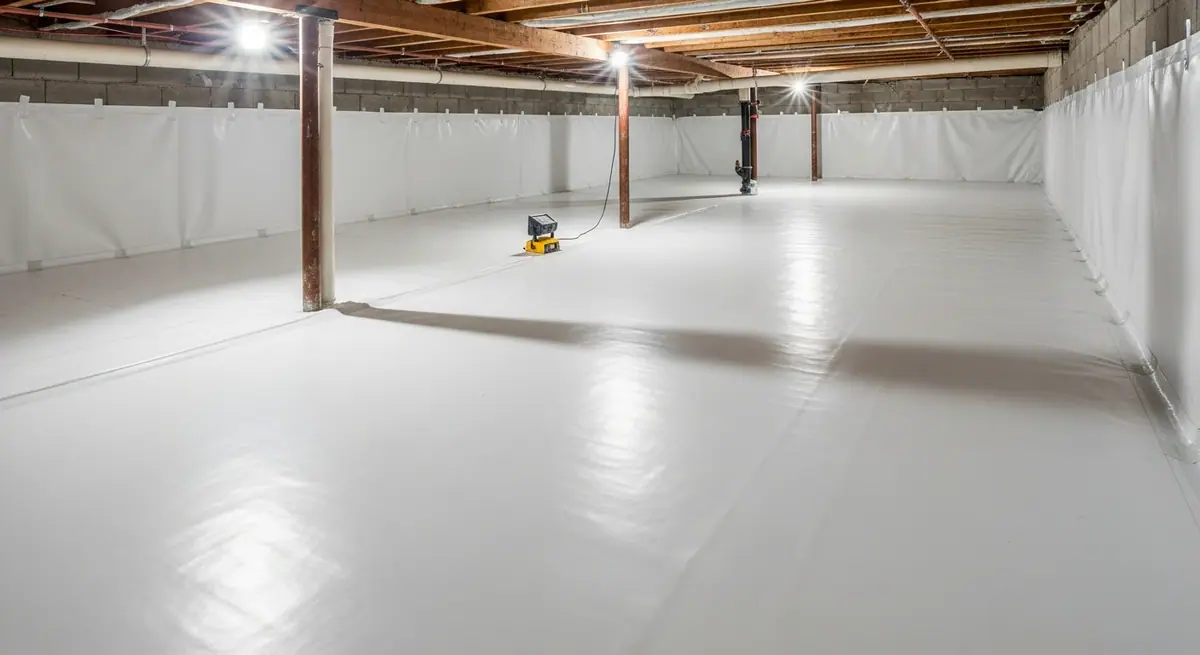
- Floor-only plastic, vents still open, partial fix, partial savings
- Undersized or constantly running dehu, see dehumidifier running constantly
- Equipment in attic, dry crawl, energy-only ROI stretches 20+ years
- Comparing one week of bills, weather swamps signal; use 12-month baseline
Encapsulation vs insulation vs both
Encapsulation stops ground vapor and stabilizes RH, foundation of any savings. Insulation on crawl walls or rim joists adds thermal resistance. DOE cites 15–25% energy savings for sealed crawls in humid climates when insulation is included. We bundle both on many Farragut and Maryville jobs, details on Knoxville encapsulation service.
Step-by-step: estimate your savings honestly
- Check where your HVAC lives: Ducts or air handler in the crawl? You are the best candidate for 15%+ savings. Equipment in attic or closet? Savings are real but smaller, focus on moisture benefits.
- Baseline your bills: Pull 12 months of electric and gas. Note summer vs winter. Forum users who skip this step cannot tell if encapsulation worked or if weather changed.
- Fix moisture before chasing efficiency: Standing water, open vents, and mold mean seal the crawl correctly first, partial plastic does not produce reliable savings.
- Seal, dehumidify, then insulate if needed: Full encapsulation (liner, vents, commercial dehu) before optional rim joist insulation. Skipping dehu in 70% Knoxville humidity traps latent load upstairs.
- Re-measure after one full season: Compare July–September and January–March bills year-over-year. Expect 10–18% HVAC reduction in humid climates, honest range, not marketing hype.
Total ROI beyond the electric bill
Forums eventually pivot from kWh to avoided costs: joist sistering ($3K–$8K), subfloor rot ($5K+), HVAC replacement from rust ($8K+), mold remediation ($1.5K–$6K), failed inspection delays. Energy savings are the bonus, moisture control is the insurance policy. Compare before & after projects including an 18% summer bill drop in Maryville.
Free inspection with RH readings and duct assessment: 865-344-5507.